
Talcum Powder & Ovarian Cancer Lawyers in Washington D.C.
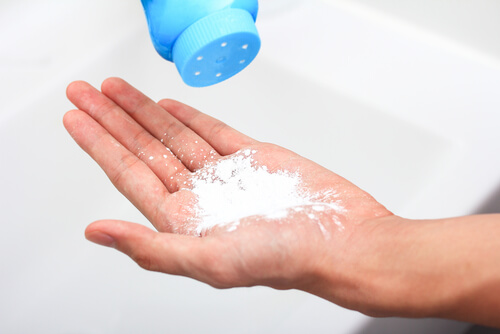
For more than a century, women throughout the country have used talcum powders, such as Johnson & Johnson’s Baby Powder, for feminine hygiene, unknowingly exposing themselves to heightened ovarian cancer risks.
Despite decades of research showing that perineal use of talc-containing powder increases a woman’s risk of developing ovarian cancer, Johnson & Johnson (J&J) and other talcum powder manufacturers have refused to add warning labels to their products and continue to claim their products are safe.
The Washington, D.C., medical malpractice attorneys at the Law Offices of Dr. Michael M. Wilson, M.D., J.D. & Associates are reviewing cases for women who have been diagnosed with ovarian cancer after using talcum powder products. If you or a loved one have been affected by these products, you may be entitled to significant compensation. Our team has decades of dual experience as both medical malpractice lawyers and physicians, and a record of recovering more than $4.5 billion for clients nationwide.
Contents
- Does Talcum Powder Cause Ovarian Cancer?
- What Is a Talcum Powder Settlement?
- What Factors Affect the Value of a Talcum Powder Lawsuit?
- What Compensation Is Available in a Talcum Powder Lawsuit?
- Johnson & Johnson Talc Litigation
- How Can a Washington, D.C., Talcum Powder Lawsuit Attorney Help Me?
- Frequently Asked Questions: Talcum Powder Ovarian Cancer Lawsuits
- Washington, D.C., Talcum Powder Ovarian Cancer Attorneys at the Law Offices of Dr. Michael M. Wilson, M.D., J.D. & Associates Are Qualified to Help You
Does Talcum Powder Cause Ovarian Cancer?
Nearly 21,000 women are diagnosed with ovarian cancer every year in the United States, and over 14,000 women die of the disease, according to the Centers for Disease Control and Prevention (CDC). If diagnosed early, ovarian cancer can effectively be treated. However, in later stages, it is difficult to treat and carries much lower survival rates.
Talc is a naturally occurring mineral composed of magnesium silicate, often found in deposits in close proximity to asbestos, a known carcinogen. Owing to its absorbent and friction reduction nature, talc has been used for more than a century in talcum powder products, including those marketed to women for feminine hygiene. Some common products include:
- Johnson & Johnson’s Baby Powder and Shower to Shower
- Colgate Palmolive’s Cashmere Bouquet
- Angel of Mine’s Baby Powder
- Anti Monkey Butt Body Powder
- CVS Baby Powder
- Rite Aid Baby Powder
- Family Dollar Baby Powder
Despite their marketing and widespread use, research spanning several decades has raised concerns about a potential link between talc use and ovarian cancer. Studies have found that women who regularly used talcum powder in the genital area have up to 35% higher risk of developing ovarian cancer.

What Is a Talcum Powder Settlement?
Talcum powder settlements and verdicts resolve claims and compensate consumers who developed cancer linked to asbestos-contaminated talc products. Settlements are made by companies such as J&J for failing to warn about the potential health hazards of their products. Several companies, most notably J&J, have already paid billions of dollars in talc settlements to affected cancer patients nationwide.
What Factors Affect the Value of a Talcum Powder Lawsuit?
Although the majority of cases resolve through settlement, the outcomes vary widely based on the specific details of each case. The value of each claim depends on several key factors connecting your illness to asbestos-contaminated products, such as:
- Exposure: Long-term or frequent use of products can strengthen the connection between exposure and illness. Documentation such as product history, photos, or witness statements can help support your claim.
- Diagnosis: The type and severity of your illness play a major role. More serious conditions often result in higher compensation as a result of cost of treatment, long-term impact, and effect on quality of life.
- Age and Life Impact: Younger patients may face longer-term medical care, lost earning potential, and ongoing hardship, which can all influence a claim’s value.
- Strength of Evidence: Medical records, pathology results, and expert testimony linking your diagnosis to talc exposure are critical. Strong, well-documented cases are more likely to result in higher compensation.
- Corporate Conduct: Courts may also consider how a company responded to known risks. Evidence that a manufacturer failed to warn consumers or concealed safety concerns can increase potential damages.
What Compensation Is Available in a Talcum Powder Lawsuit?
If your illness has been linked to talcum powder use, you may be entitled to compensation for both the financial and personal impact of your diagnosis. The specific damages available depend on the circumstances of your case. You may be eligible for:
- Economic Damages: Medical bills, treatment costs, future care, and lost income related to your diagnosis
- Non-economic Damages: Pain and suffering, loss of enjoyment of life, and loss of companionship or intimacy
- Punitive damages: Additional compensation intended to hold manufacturers accountable for misconduct, such as failing to warn consumers of known risks. These are typically only awarded in trial verdicts.
- Wrongful death damages: For families who have lost a loved one, including funeral expenses, loss of financial support, and loss of companionship
Johnson & Johnson Talc Litigation
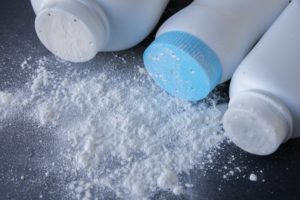
Johnson & Johnson has been at the center of nationwide litigation involving talc-based products for years. Thousands of lawsuits have been filed by women and families who allege that long-term use of these products led to ovarian cancer or mesothelioma. Many claims focus on the company’s alleged failure to warn consumers about potential asbestos contamination and the risks associated with talc use.
As these cases have moved through courts across the country, juries and regulators have closely examined both the scientific evidence and the company’s internal conduct. The results have included some of the largest product liability verdicts and settlements in recent history.
Notable settlements and verdicts include:
- $4.7 billion: A Missouri jury awarded 22 women who developed ovarian cancer linked to Johnson & Johnson talc products. It was later reduced to $2.1 billion on appeal, but findings that the company failed to warn consumers were upheld.
- $29+ million: A California jury awarded damages to a woman with ovarian cancer, including compensation for pain and suffering, family impact, and medical costs.
- $100 million: J&J agreed to resolve more than 1,000 ovarian cancer and mesothelioma claims in one of the earliest coordinated settlements, while continuing to deny wrongdoing.
- $700 million: J&J resolved an investigation by 42 states and Washington, D.C., regarding the marketing of its talc-based products, addressing consumer protection concerns but not resolving individual injury claims.
- $40 million: A California jury awarded damages to two women in a closely watched bellwether trial, reinforcing the role of juries in evaluating claims involving product safety and corporate conduct.
In 2025, a judge rejected J&J’s third attempt to resolve over 60,000 ovarian cancer claims through an $8 billion bankruptcy proposal, sending the litigation back into active proceedings. Settlement discussions remain ongoing as new claims continue to be filed.
How Can a Washington, D.C., Talcum Powder Lawsuit Attorney Help Me?
Talcum powder cases are medically and legally complex. Proving that a product contributed to a cancer diagnosis often requires more than showing use. It involves analyzing medical records, understanding how asbestos exposure occurs, and connecting that evidence to specific products and manufacturers.
Working with an attorney who understands both the medicine and the law can make a meaningful difference. At the Law Offices of Dr. Michael M. Wilson, M.D., J.D. & Associates, our team focuses on cases involving complex medical issues and applies that dual perspective to build strong, well-supported claims. Our team can:
- Provide a free and confidential consultation
- Assess your legal options
- Conduct an in-depth investigation
- Calculate the full extent of your damages
- Aggressively pursue full and fair compensation
- Represent you in court if negotiations fail
- Charge no costs or fees unless we secure compensation for you
Frequently Asked Questions: Talcum Powder Ovarian Cancer Lawsuits
How long do I have to file a talcum powder lawsuit?
In Washington DC, you have 3 years to file a personal injury lawsuit from the date of your diagnosis.
What are the eligibility requirements for a talcum powder lawsuit?
You may qualify if you used talc-based products or were exposed to talc at work and were diagnosed with ovarian cancer or other asbestos-related cancer.
How do I prove that talcum powder caused my cancer?
Through medical records, history of talc use, and linking asbestos exposure to your diagnosis. Strong documentation helps establish the connection needed to pursue a claim.
Washington, D.C., Talcum Powder Ovarian Cancer Attorneys at the Law Offices of Dr. Michael M. Wilson, M.D., J.D. & Associates Are Qualified to Help You
The Washington, D.C., talcum powder ovarian cancer attorneys at the Law Offices of Dr. Michael M. Wilson, M.D., J.D. & Associates are uniquely qualified to handle talcum powder cases, backed by more than 30 years of experience. If you or a loved one has been diagnosed with ovarian cancer, call us at 202-223-4488 or contact us online to schedule a free consultation. Located in Washington, D.C., we also serve clients in northern Virginia and in Maryland.
Visit Our Talcum Power Lawsuit Law Offices