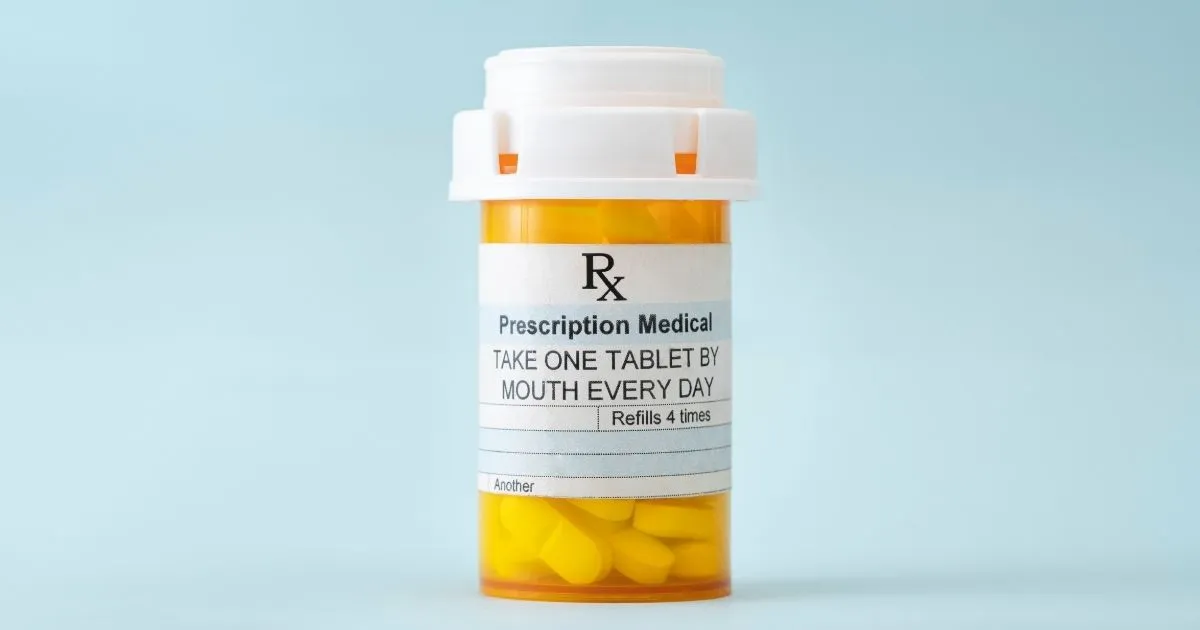
Prescription drugs can work wonders, but there is another side to this coin. Although many medications carry known risks, such as potential side effects, other problems, like severe negative reactions, stem from preventable mistakes. When harm follows prescribing or monitoring medication errors, questions arise about whether proper care was provided.
What Is Medical Malpractice in Prescription Cases?
Medical malpractice in prescription cases occurs when a provider fails to follow accepted standards, which leads to harm. This may involve selecting the wrong drug, prescribing an incorrect dose, or overlooking known risks. While some side effects are unavoidable, malpractice focuses on preventable errors that could have been avoided with proper care.
Can Prescribing the Wrong Medication Lead to a Claim?
Prescribing the wrong medication may support a claim when the error causes harm. This may happen if a provider confuses drug names, overlooks medical history, or selects a drug that does not match the condition. Because each medication has specific uses, taking the wrong one can lead to serious health issues.
How Do Dosage Errors Affect Liability?
Dosage errors can create liability when the prescribed amount is too high or too low for safe treatment. A high dose may cause toxic effects, whereas a low dose may fail to treat the condition. Because dosage depends on factors such as weight, age, and health status, calculation errors can also result in avoidable harm.
What Role Do Drug Interactions Play?
Drug interactions occur when one medication affects how another works, which may increase side effects or reduce effectiveness. That is why providers are expected to review current medications before adding a new one. When interactions are missed, the combined effects can lead to serious complications.
Can Allergic Reactions Be Grounds for a Claim?
Allergic reactions may support a claim when a provider prescribes a drug despite a known allergy. Medical records often list allergies, which should guide treatment decisions. When this information is overlooked, the resulting reaction may point to a lapse in proper care.
Can Pharmacy Errors Lead to Medical Malpractice?
Pharmacy errors may contribute to harm, although they are often addressed through separate legal claims. These errors may include dispensing the wrong drug, incorrect labeling, or unclear instructions. Although pharmacists play a role in patient safety, liability depends on who made the error and how it affected the outcome.
How Do Inadequate Instructions Affect Patient Safety?
Clear instructions guide proper medication use, as confusion can lead to missed doses or improper timing. When directions are incomplete or unclear, the risk of harm may increase. Because many medications require specific conditions for use, poor communication can affect treatment results.
What Evidence Is Used in Prescription Malpractice Cases?
Evidence may include medical records, prescription logs, pharmacy records, and written communications. These materials show what was prescribed, how it was dispensed, and whether proper steps were followed. When reviewed together, they can reveal whether the care aligned with accepted standards.
How Is Causation Proved in Medication Errors?
Causation links the medication error to the injury, which is required in any malpractice claim. This often involves showing that the harm would not have occurred without the mistake. Medical opinions and records help explain how the drug or error led to the condition.
What Should Be Done After Medication Errors?
After a suspected medication error, prompt medical care may reduce further harm. Records of symptoms, treatments, and communications should be preserved, as they may support a claim. That information documents what occurred while also addressing the patient’s ongoing health concerns.
Washington, D.C., Medical Malpractice Lawyers at the Law Offices of Dr. Michael M. Wilson, M.D., J.D. & Associates Turn Prescription Errors Into Accountability
If you believe that prescription medicine caused your illness or injury, the Washington, D.C., medical malpractice lawyers at the Law Offices of Dr. Michael M. Wilson, M.D., J.D. & Associates are ready to address your concerns. Our trusted legal team will thoroughly review your case and fight for accountability. To get started, call us at 202-223-4488 or complete the online form today for a free consultation. Located in Washington, D.C., we also serve clients in Northern Virginia and in Maryland.